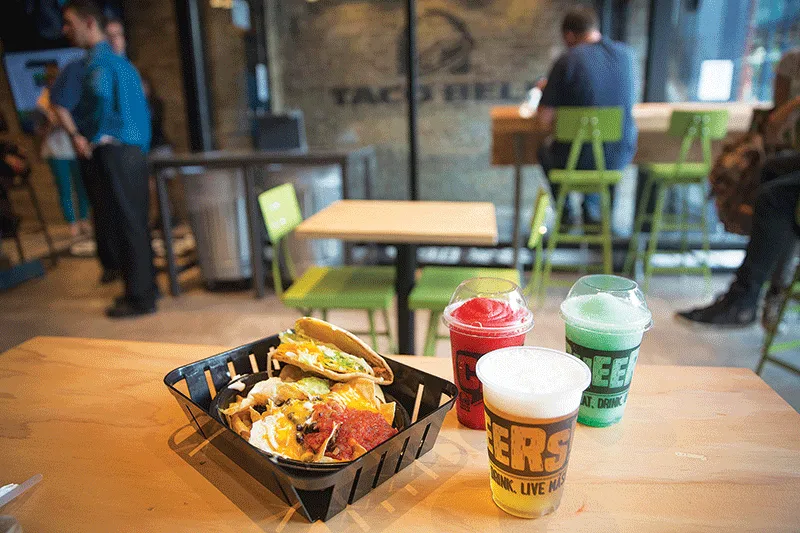
1. Convenience and Accessibility
Fast food restaurants offer unparalleled convenience, catering to today’s fast-paced lifestyle. With locations scattered throughout urban and suburban areas, they provide quick and easy access for people on the go. The ability to grab a meal within minutes without the need for reservations or long wait times makes fast food an attractive option for busy individuals seeking efficiency in their daily routines.
2. Affordability
The affordability of fast food is a significant factor in its enduring appeal. With competitive pricing and value meal options, these establishments offer cost-effective dining solutions for individuals and families alike. In an era where budget consciousness is essential, fast food provides a way to enjoy a meal without breaking the bank, making it an appealing choice for people across various income levels.
3. Consistency and Familiarity
Fast food restaurants are known for their consistency, delivering the same taste and quality regardless of location. This reliability attracts customers seeking familiar flavors and experiences, especially when traveling or trying new locations. The promise of knowing exactly what to expect provides comfort and reassurance, forming loyal customer bases that appreciate the dependable nature of fast food.
4. Varied Menu Options
Over the years, fast food menus have evolved to cater to diverse dietary preferences and needs. Many establishments now offer healthier options, including salads, grilled items, and meals catering to specific dietary restrictions. This evolution allows fast food restaurants to appeal to a broader audience, meeting the demands of health-conscious consumers while retaining classic favorites for traditional patrons.
5. Technological Integration
Technology has played a pivotal role in maintaining the popularity of fast food. Many restaurants have embraced digital advancements like mobile apps, online ordering, and delivery services, enhancing convenience and expanding their reach. These technological integrations allow customers to customize orders, skip lines, and enjoy their meals wherever they please, further aligning with the demands of a busy lifestyle.
6. Drive-Thru and Delivery Services
The drive-thru and delivery models are integral to the fast food industry, providing added convenience for customers. Drive-thrus allow for quick, contactless service directly from the comfort of a vehicle, while delivery services bring meals straight to consumers’ doorsteps. These options create flexibility, making dining out feasible for those with packed schedules or who prefer to eat at home.
Conclusion
In summary, fast food restaurants remain popular in today’s busy lifestyle due to their ability to adapt and cater to modern demands. Their convenience, affordability, consistency, and embrace of technology make them an accessible choice for many. By offering varied menu options and services that align with fast-paced living, fast food continues to hold a significant place in the dining landscape, providing solutions that meet the needs of diverse consumers.
Fast food’s resilience and adaptability ensure that it remains a staple in modern society, meeting the demands of customers who value time, cost, and convenience, all while allowing them to enjoy familiar and satisfying meals.
