Author: admin

  • Why Fast Food Restaurants Remain Popular in Today’s Busy Lifestyle

    Why Fast Food Restaurants Remain Popular in Today’s Busy Lifestyle

    1. Convenience and Accessibility

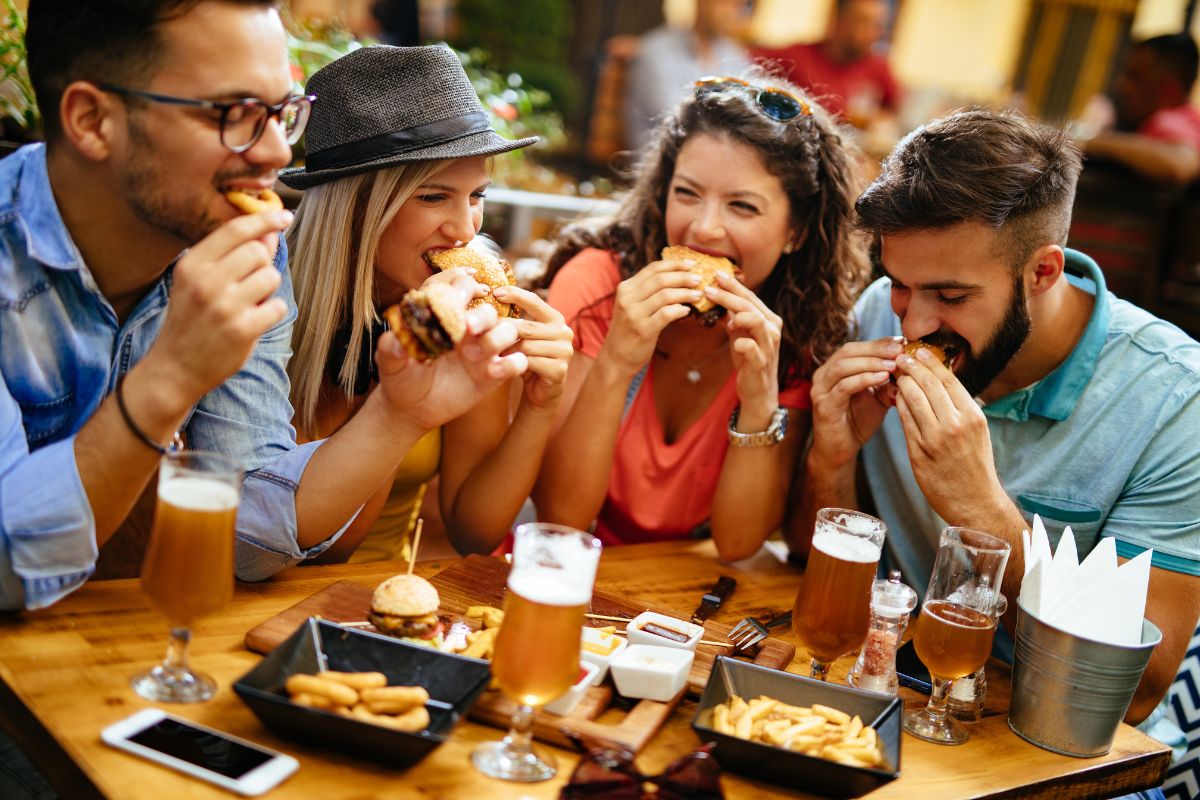
    Fast food restaurants offer unparalleled convenience, catering to today’s fast-paced lifestyle. With locations scattered throughout urban and suburban areas, they provide quick and easy access for people on the go. The ability to grab a meal within minutes without the need for reservations or long wait times makes fast food an attractive option for busy individuals seeking efficiency in their daily routines.

    2. Affordability

    The affordability of fast food is a significant factor in its enduring appeal. With competitive pricing and value meal options, these establishments offer cost-effective dining solutions for individuals and families alike. In an era where budget consciousness is essential, fast food provides a way to enjoy a meal without breaking the bank, making it an appealing choice for people across various income levels.

    3. Consistency and Familiarity

    Fast food restaurants are known for their consistency, delivering the same taste and quality regardless of location. This reliability attracts customers seeking familiar flavors and experiences, especially when traveling or trying new locations. The promise of knowing exactly what to expect provides comfort and reassurance, forming loyal customer bases that appreciate the dependable nature of fast food.

    4. Varied Menu Options

    Over the years, fast food menus have evolved to cater to diverse dietary preferences and needs. Many establishments now offer healthier options, including salads, grilled items, and meals catering to specific dietary restrictions. This evolution allows fast food restaurants to appeal to a broader audience, meeting the demands of health-conscious consumers while retaining classic favorites for traditional patrons.

    5. Technological Integration

    Technology has played a pivotal role in maintaining the popularity of fast food. Many restaurants have embraced digital advancements like mobile apps, online ordering, and delivery services, enhancing convenience and expanding their reach. These technological integrations allow customers to customize orders, skip lines, and enjoy their meals wherever they please, further aligning with the demands of a busy lifestyle.

    6. Drive-Thru and Delivery Services

    The drive-thru and delivery models are integral to the fast food industry, providing added convenience for customers. Drive-thrus allow for quick, contactless service directly from the comfort of a vehicle, while delivery services bring meals straight to consumers’ doorsteps. These options create flexibility, making dining out feasible for those with packed schedules or who prefer to eat at home.

    Conclusion

    In summary, fast food restaurants remain popular in today’s busy lifestyle due to their ability to adapt and cater to modern demands. Their convenience, affordability, consistency, and embrace of technology make them an accessible choice for many. By offering varied menu options and services that align with fast-paced living, fast food continues to hold a significant place in the dining landscape, providing solutions that meet the needs of diverse consumers.

    Fast food’s resilience and adaptability ensure that it remains a staple in modern society, meeting the demands of customers who value time, cost, and convenience, all while allowing them to enjoy familiar and satisfying meals.

  • How to Choose the Perfect Restaurant for Family Dining and Special Occasions

    How to Choose the Perfect Restaurant for Family Dining and Special Occasions

    1. Consider the Atmosphere

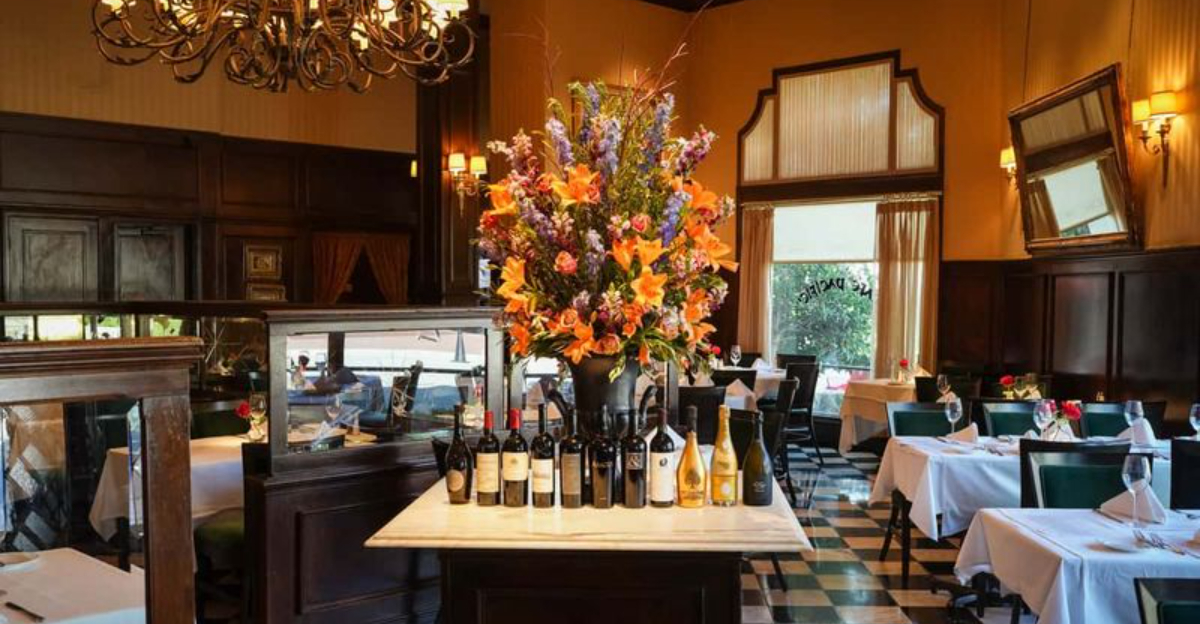
    The ambiance of a restaurant plays a crucial role in creating memorable experiences, especially for family gatherings and special occasions. Look for a setting that aligns with the nature of your event. For celebratory occasions, a lively and festive atmosphere with music and décor that matches the theme can enhance the experience. For quieter family gatherings, a more relaxed and intimate environment may be preferable.

    2. Evaluate the Menu Options

    A diverse menu can cater to different palates, ensuring that each family member finds something they enjoy. Check if the restaurant offers a range of options, including vegetarian, vegan, or gluten-free dishes, to accommodate dietary restrictions. For special occasions, consider if the restaurant can provide custom menus or specials that add a unique touch to the meal.

    3. Assess Family-Friendliness

    For family dining, especially with children, it’s important to choose a restaurant that is welcoming to all ages. Look for establishments with a dedicated kids’ menu, high chairs, and activities to keep young ones engaged. A family-friendly restaurant often provides a stress-free environment, allowing everyone to enjoy their meal comfortably.

    4. Consider Location and Accessibility

    Choose a restaurant that is conveniently located for all family members to reach easily. Consider the availability of parking or public transportation options. Additionally, ensure the restaurant is accessible for elderly or disabled family members, with facilities like ramps, elevators, or accessible restrooms.

    5. Check Reviews and Recommendations

    Online reviews and recommendations from friends and family can provide valuable insights into the quality of a restaurant. Look for consistent praise regarding food quality, service, and atmosphere. Pay attention to how the restaurant handles feedback, as this can indicate their commitment to customer satisfaction.

    6. Evaluate Service Quality

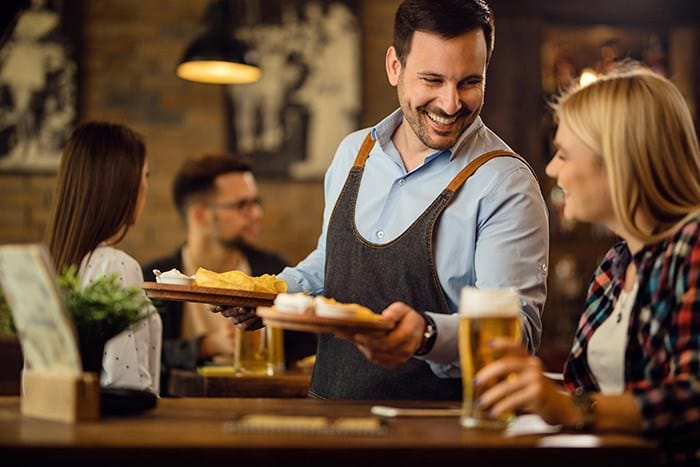
    Excellent service can elevate a dining experience from good to exceptional. Research whether staff are attentive, friendly, and accommodating to special requests or needs. Quality service, especially during busy hours, ensures an enjoyable and smooth experience for your family gathering or special occasion.

    7. Think About Ambience and Décor

    The décor and setting should match the tone of your event. For formal occasions, a restaurant with elegant interiors, fine dining settings, and a sophisticated approach can add to the special nature of the event. For casual family dinners, a warm and cozy atmosphere might be more appropriate, fostering comfort and conversation.

    8. Budget Considerations

    While planning for family dining or a special occasion, it’s important to consider the budget. Look for restaurants that offer good value without compromising on quality. Special promotions or package deals for larger groups can make dining out more affordable, allowing you to focus on enjoying the experience rather than worrying about the cost.

    9. Explore Entertainment Options

    If you’re celebrating a special occasion, consider whether the restaurant offers additional entertainment options, such as live music, magic shows, or a dance floor. These can add a memorable element to your outing and keep guests engaged and entertained throughout the meal.

    10. Make Reservations

    Once you’ve chosen the ideal restaurant, make a reservation well in advance, especially for larger groups or during peak times. Securing your spot ensures a seamless experience, reducing waiting times and allowing for any specific arrangements or preferences to be accommodated gracefully.

    By taking these factors into account, you can choose a restaurant that provides a delightful and memorable dining experience, whether it’s for a family dinner or a special celebration. The right restaurant will enhance your event, creating cherished memories and ensuring that all family members have a great time.

  • 7 Smart Restaurant Marketing Strategies to Attract More Customers

    7 Smart Restaurant Marketing Strategies to Attract More Customers

    1. Leverage Social Media

    Utilize social media platforms to showcase your restaurant’s ambiance, dishes, and events. Regular posts, engaging stories, and interactive content like polls or Q&A sessions can keep your audience engaged. Collaborate with food influencers and encourage guests to tag your restaurant in their posts to increase visibility.

    2. Offer Promotions and Discounts

    Attract new customers with introductory offers, happy hours, or discounts for first-time visitors. Loyalty programs that reward repeat customers with discounts or freebies can also encourage return visits and spread positive word of mouth.

    3. Create a User-Friendly Website

    Ensure your restaurant’s website is easy to navigate and mobile-friendly. Include important information like the menu, opening hours, contact details, and an online reservation system. Regularly update the site with new promotions and events to keep customers informed.

    4. Focus on SEO and Local Listings

    Optimize your online presence with local SEO strategies. Ensure your restaurant is listed on Google My Business and other local directories. Use keywords related to your location and cuisine in your website content to improve search engine ranking and attract nearby customers.

    5. Host Events and Collaborations

    Organize events such as themed nights, live music, or cooking classes to attract diverse audiences. Collaborate with local businesses, artists, or charities for joint events, creating community bonds and increasing exposure.

    6. Engage with Email Marketing

    Build an email list by offering incentives for sign-ups, such as a discount or special offer. Use email marketing to send out newsletters with updates, upcoming events, special promotions, and personalized offers to keep customers informed and engaged.

    7. Encourage Customer Reviews

    Encourage satisfied customers to leave positive reviews on platforms like Yelp, TripAdvisor, and Google. Respond promptly to reviews—both positive and negative—to show you value feedback and are committed to continuous improvement. Positive reviews can significantly boost your reputation and attract more diners.

  • How Quality Food Can Turn First-Time Visitors into Loyal Customers

    How Quality Food Can Turn First-Time Visitors into Loyal Customers

    1. First Impressions Matter

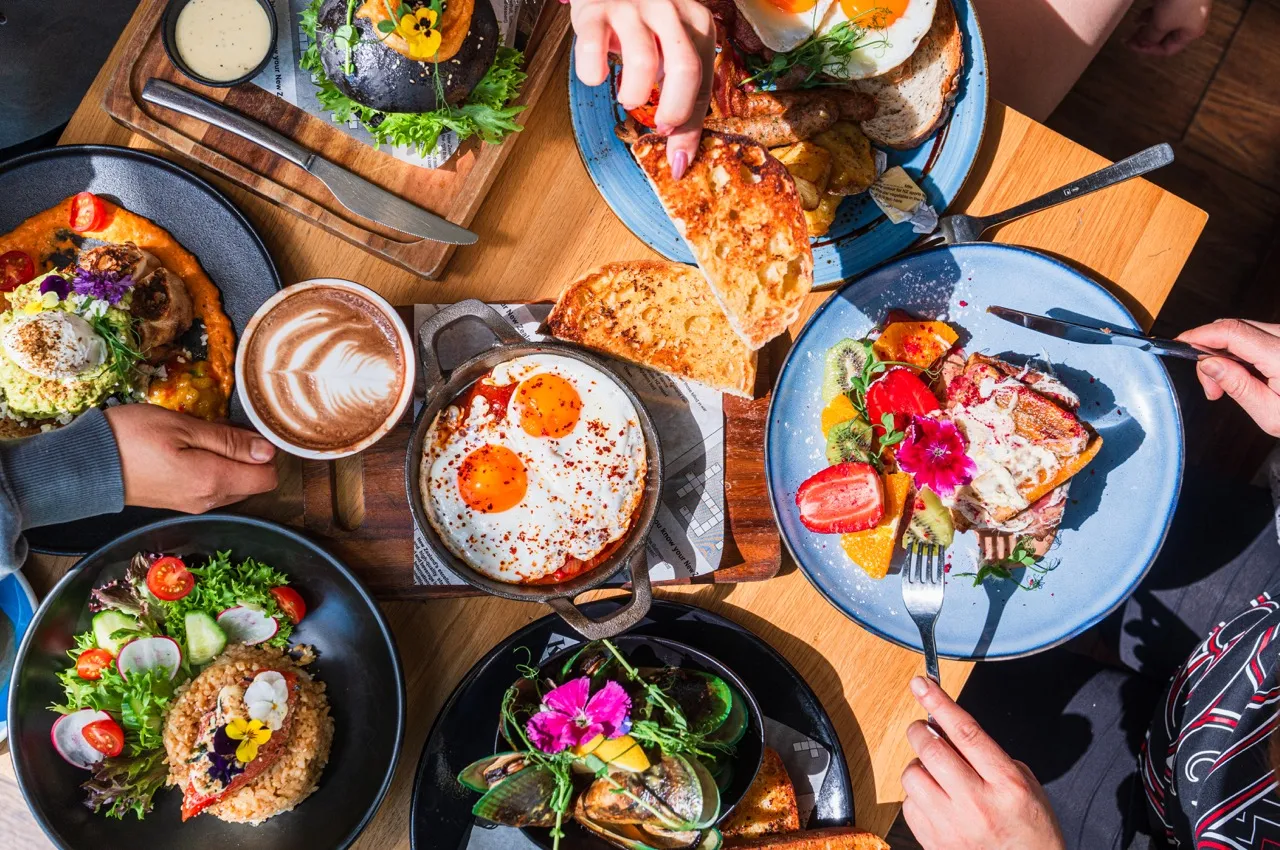
    When first-time visitors walk into a restaurant, their immediate impressions set the tone for their entire experience. Quality food plays a crucial role in shaping this perception, capturing attention with its presentation and aroma. A visually appealing dish served promptly signals attention to detail and respect for the customer’s time, laying the foundation for positive memories.

    2. Sensory Satisfaction

    Quality food engages all the senses, creating a complete dining experience. The blend of flavors, the texture of each bite, and the aroma wafting from the plate all contribute to a multi-sensory journey that captivates diners. When every sense is satisfied, it elevates the meal from mere sustenance to an unforgettable indulgence, encouraging patrons to return for a repeat performance.

    3. Consistency Builds Trust

    Consistency in quality is a key factor in developing customer loyalty. First-time visitors become repeat customers when they trust that every visit will provide an equally satisfying experience. High standards maintained across all dishes, complemented by consistent service, build this trust and assure diners that their expectations will be met every time.

    4. Exceptional Flavors and Unique Offerings

    Offering distinctive dishes that highlight exceptional flavors can distinguish a restaurant from its competitors. Quality ingredients combined with unique culinary techniques can transform a meal into a memorable event. When visitors are presented with dishes they can’t find elsewhere, it encourages them to return for the exclusive experience provided by your establishment.

    5. Personal Connection and Customer Experience

    In addition to food quality, the overall customer experience is essential in turning visitors into loyal patrons. Attentive service that anticipates customer needs builds a personal connection, making diners feel valued. Remembering a guest’s preferences and providing tailored recommendations fosters familiarity, encouraging customers to come back for the comfort of personalized service.

    6. Storytelling through Food

    Every dish has a story, and sharing these narratives enhances the dining experience. Whether it’s the local origins of ingredients or the inspiration behind a recipe, storytelling adds depth and authenticity to a meal. Customers who connect with these stories are more likely to return, drawn by the sense of being part of something meaningful and authentic.

    7. Word of Mouth and Social Credibility

    Satisfied first-time visitors often become vocal advocates. Quality food that exceeds expectations inspires diners to share their experiences with others, both in person and through social media. This word-of-mouth marketing enhances the restaurant’s reputation and attracts new customers, creating a cycle of loyalty and recommendation that benefits long-term success.

    8. Adaptability and Responsiveness

    Quality is also about adaptability—listening to customer feedback and being willing to evolve dishes or service based on diner preferences. Demonstrating responsiveness shows that a restaurant values its customers and is dedicated to providing the best possible experience. This adaptability ensures that first-time visitors feel heard and appreciated, increasing the likelihood of their return.

    9. Long-lasting Impressions

    In essence, quality food creates lasting impressions. When a dining experience is positive and memorable, it forms an emotional connection that goes beyond the meal itself. This intangible aspect of quality fosters a sense of loyalty, as customers are drawn back to relive that appreciated moment of hospitality.

    By prioritizing quality, restaurants can transform first-time visits into enduring relationships. Careful attention to food, service, and experience not only attracts but retains customers, building a loyal clientele that forms the backbone of long-term culinary success.

  • 10 Delicious Food Trends That Are Changing the Dining Experience in 2026

    10 Delicious Food Trends That Are Changing the Dining Experience in 2026

    1. Hyper-Local Sourcing

    In 2026, hyper-local sourcing is more than a trend; it’s a statement of sustainability and quality. Restaurants are cultivating their own gardens and partnering with nearby farms to ensure the freshest ingredients, drastically reducing carbon footprints and fostering local economies. This movement has transformed menus, with dishes that boast unique, home-grown flavors.

    2. Food Tech Integration

    The dining landscape has been revolutionized by cutting-edge technology. Robotics and AI-powered kitchens are ensuring consistency and precision, while intelligent reservation systems predict diner preferences. Expect personalized dining experiences with interactive menus and virtual reality elements enhancing your meal through immersive storytelling.

    3. Plant-Based Innovation

    While plant-based diets gained traction over the last decade, 2026 sees a surge in creativity. Chefs are crafting intricate plant-based dishes that rival their meat counterparts in flavor and texture. New protein alternatives, derived from algae and fungi, are turning heads, providing diners with ethical options without sacrificing taste.

    4. Zero-Waste Cooking

    Sustainability in the kitchen has evolved with the zero-waste cooking trend. Every part of the ingredient is utilized, from root to shoot, minimizing waste and creating inventive culinary experiences. Chefs are transforming what was once deemed scrap into delicate, flavorful components, redefining resourcefulness.

    5. Fermented Flavors

    Fermentation has taken center stage in 2026, offering a depth of flavor that intrigues diners. Beyond traditional uses, chefs are experimenting with fermented grains, vegetables, and even beverages. These probiotic-rich creations not only tantalize taste buds but also promote gut health, aligning indulgence with wellness.

    6. Cultural Fusion

    The global kitchen is more vibrant than ever, as chefs blend culinary techniques and ingredients from various cultures. This fusion results in unexpected but delightful pairings, such as kimchi tacos or curry pasta. By melding traditions, restaurants honor heritage while crafting new, exciting food narratives.

    7. Experiential Dining

    Dining is now an event—an experience that transcends mere eating. Themed environments, live performances, and participatory cooking sessions invite diners to engage all their senses. These multisensory experiences create lasting memories, making meals about connection and storytelling as much as consumption.

    8. Insect-Based Cuisine

    In 2026, insect-based cuisine is making headway as a sustainable protein source. With an ever-growing global population, crickets and mealworms are becoming staples in imaginative dishes. Chefs are skillfully integrating them into familiar foods, minimizing stigma and presenting them as viable, nutritious alternatives.

    9. Functional Foods

    Functional foods that offer health benefits beyond basic nutrition are reshaping the dining landscape. Ingredients like adaptogens, CBD, and superfoods are being creatively incorporated into dishes that promote wellness. These meals cater to the health-conscious diner, offering therapeutic properties alongside great taste.

    10. Personalized Nutrition

    New advancements in personalized nutrition are tailoring meals to individual dietary needs and genetic profiles. Restaurants offer customized menus based on DNA insights, ensuring optimal health benefits. This trend emphasizes individualized care, making dining both a culinary and a scientifically informed experience.

    As these trends weave into the dining experience, 2026 is marked by innovation, sustainability, and personalization. Restaurants aren’t just places to eat; they’re centers of creativity and consciousness, all contributing to a dynamic and delicious future in the food industry.