1. First Impressions Matter
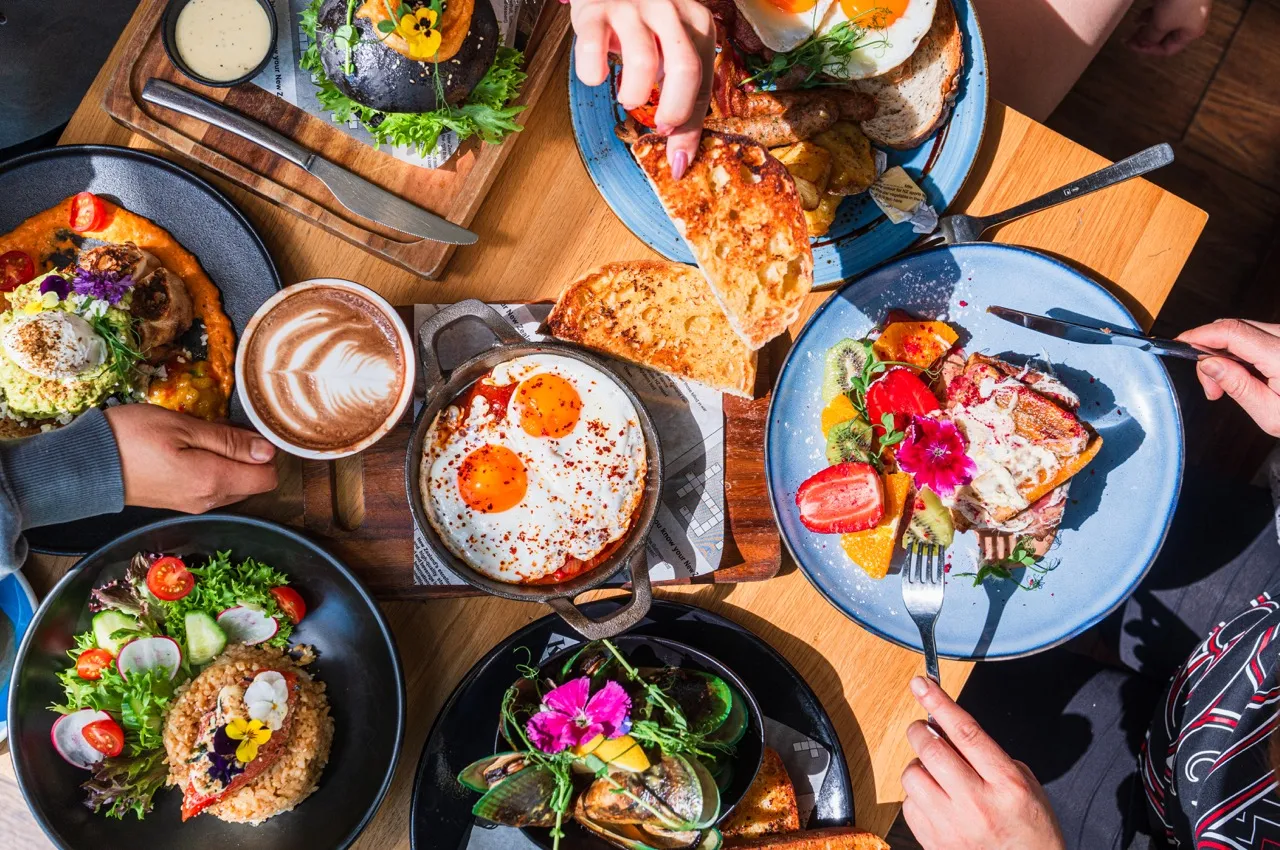
When first-time visitors walk into a restaurant, their immediate impressions set the tone for their entire experience. Quality food plays a crucial role in shaping this perception, capturing attention with its presentation and aroma. A visually appealing dish served promptly signals attention to detail and respect for the customer’s time, laying the foundation for positive memories.
2. Sensory Satisfaction
Quality food engages all the senses, creating a complete dining experience. The blend of flavors, the texture of each bite, and the aroma wafting from the plate all contribute to a multi-sensory journey that captivates diners. When every sense is satisfied, it elevates the meal from mere sustenance to an unforgettable indulgence, encouraging patrons to return for a repeat performance.
3. Consistency Builds Trust
Consistency in quality is a key factor in developing customer loyalty. First-time visitors become repeat customers when they trust that every visit will provide an equally satisfying experience. High standards maintained across all dishes, complemented by consistent service, build this trust and assure diners that their expectations will be met every time.
4. Exceptional Flavors and Unique Offerings
Offering distinctive dishes that highlight exceptional flavors can distinguish a restaurant from its competitors. Quality ingredients combined with unique culinary techniques can transform a meal into a memorable event. When visitors are presented with dishes they can’t find elsewhere, it encourages them to return for the exclusive experience provided by your establishment.
5. Personal Connection and Customer Experience
In addition to food quality, the overall customer experience is essential in turning visitors into loyal patrons. Attentive service that anticipates customer needs builds a personal connection, making diners feel valued. Remembering a guest’s preferences and providing tailored recommendations fosters familiarity, encouraging customers to come back for the comfort of personalized service.
6. Storytelling through Food
Every dish has a story, and sharing these narratives enhances the dining experience. Whether it’s the local origins of ingredients or the inspiration behind a recipe, storytelling adds depth and authenticity to a meal. Customers who connect with these stories are more likely to return, drawn by the sense of being part of something meaningful and authentic.
7. Word of Mouth and Social Credibility
Satisfied first-time visitors often become vocal advocates. Quality food that exceeds expectations inspires diners to share their experiences with others, both in person and through social media. This word-of-mouth marketing enhances the restaurant’s reputation and attracts new customers, creating a cycle of loyalty and recommendation that benefits long-term success.
8. Adaptability and Responsiveness
Quality is also about adaptability—listening to customer feedback and being willing to evolve dishes or service based on diner preferences. Demonstrating responsiveness shows that a restaurant values its customers and is dedicated to providing the best possible experience. This adaptability ensures that first-time visitors feel heard and appreciated, increasing the likelihood of their return.
9. Long-lasting Impressions
In essence, quality food creates lasting impressions. When a dining experience is positive and memorable, it forms an emotional connection that goes beyond the meal itself. This intangible aspect of quality fosters a sense of loyalty, as customers are drawn back to relive that appreciated moment of hospitality.
By prioritizing quality, restaurants can transform first-time visits into enduring relationships. Careful attention to food, service, and experience not only attracts but retains customers, building a loyal clientele that forms the backbone of long-term culinary success.